
 Celebrating 11 Years In Business!
Celebrating 11 Years In Business!
Celebrating 11 Years In Business!
Coming Soon! BadDrivingRecord.com is rapidly expanding nationwide, and Virginia is one of the next states we plan to open — so check back soon.
If you’re searching for Texas high risk auto insurance, you’re likely dealing with something that made insurers classify you as a higher-risk driver—tickets, accidents, a lapse in coverage, driving without insurance, a license suspension, or a situation that now requires proof of financial responsibility. Many Texans looking for insurance with a bad driving record find that standard carriers either quote extremely high premiums, limit payment options, or decline coverage entirely.
At BadDrivingRecord.com, we help drivers understand what “high risk” really means in Texas, what coverage the state requires, and what filings might be needed (like SR-22 or SR-22A) to get reinstated and stay compliant. The goal isn’t just to get a policy—it’s to get the right policy that you can keep active, because lapses are one of the fastest ways high-risk situations get worse.
High risk auto insurance isn’t a special product you buy from the state. It’s a label insurance companies use when underwriting a policy. When a carrier sees a higher probability of claims—or a higher likelihood of compliance issues—it either charges more, applies stricter underwriting rules, or declines the risk.
In Texas, you might be considered high risk for reasons like:
• Multiple moving violations (speeding, reckless driving, etc.)
• Too many points or repeated tickets in a short period
• At-fault accidents or multiple claims
• Driving without insurance
• License suspension or reinstatement requirements
• Gaps in continuous coverage
• Prior cancellations for non-payment
• DUI/DWI history (even if an SR-22 isn’t required in your specific case)
• Living in a higher-cost/high-claim ZIP code
• Driving a vehicle that’s expensive to repair or commonly stolen
If you’re shopping for insurance with a bad driving record, it helps to know this: the same record can price very differently depending on the insurer. One company may treat your situation as a hard decline, while another may offer an acceptable premium—so shopping correctly matters.

Every insurer has its own underwriting model, but these are the most common triggers that raise premiums in Texas.
/ Tickets and moving violations
Repeated violations—especially within 12–36 months—often lead to higher rates because insurers view them as predictive of future accidents.
/ Accidents and claims
At-fault accidents typically increase premiums. Multiple claims can also raise costs, and frequency matters to many carriers even if every claim wasn’t your fault.
/ Driving uninsured or insurance lapses
Texas is strict about financial responsibility, and insurers are cautious with drivers who have gaps in coverage. A lapse can also be connected to reinstatement requirements depending on the situation.
/ License suspensions and compliance issues
If your license has been suspended, reinstatement often comes with extra requirements and fewer preferred insurance options.
/ DUI/DWI
A DUI/DWI is a major risk factor. Even if your case doesn’t require a filing, it often affects eligibility, pricing, and payment options.
/ Credit-based insurance scoring (where applicable)
Many insurers consider credit-related rating factors in Texas, and this can influence premium for some drivers.
/ Location and driving patterns
High-traffic cities and densely populated areas often see more claims and higher claim severity, which pushes premiums higher than rural areas.

Texas generally requires drivers to meet financial responsibility requirements, and most drivers do this by carrying liability insurance.
Texas minimum liability limits are commonly referred to as 30/60/25, meaning:
/ $30,000 bodily injury liability per person
/ $60,000 bodily injury liability per accident
/ $25,000 property damage liability per accident
These minimums are the legal baseline. Many drivers choose higher limits because modern medical costs and repair bills can exceed minimum coverage quickly. If you’re already in a high-risk category, it can be tempting to buy only minimum limits to keep costs down—but choosing limits that are too low can expose you to significant out-of-pocket liability if an accident happens.

High-risk drivers often focus on the cheapest monthly price. That’s understandable—but the wrong coverage choices can create expensive problems later. Here are the big coverage categories to understand.
/ Liability coverage
This is the core requirement. It covers injuries and damage you cause to others, up to your limits.
/ Comprehensive and collision (“full coverage”)
These cover damage to your own vehicle. Collision applies to accident-related damage, while comprehensive applies to non-collision damage like theft, hail, vandalism, and certain weather events. If you finance or lease your car, your lender usually requires these coverages.
/ Uninsured/Underinsured Motorist (UM/UIM)
UM/UIM can protect you if you’re hit by someone who has no insurance or not enough insurance.
/ Personal Injury Protection (PIP)
PIP can help with certain injury-related expenses regardless of fault, subject to policy terms.
Even if you’re high risk, you can still build a policy that protects you properly—you just want to do it in a way that matches your vehicle value and budget.

When people talk about filings in Texas, they usually mean documents your insurer submits to prove compliance with a state requirement. In Texas, the most common high-risk filings are SR-22 and SR-22A.
/ SR-22 in Texas (Financial Responsibility Insurance Certificate)
An SR-22 is proof that you carry the required liability insurance and that the state wants your insurance status monitored. The insurer is expected to notify the state if the SR-22 policy cancels or lapses.
/ Common reasons SR-22 may be required in Texas
Include certain accident-related suspensions, repeat no-insurance violations, judgments, or reinstatement situations where Texas wants proof of ongoing coverage.
/ How long SR-22 is required
In many Texas cases, SR-22 is required for about two years, but the exact requirement depends on your specific situation and the state paperwork you receive.
/ What happens if an SR-22 policy lapses
If your SR-22 policy cancels or lapses, you can face re-suspension and reinstatement fees, and you may have to re-file the SR-22 to get back into compliance.
/ SR-22A in Texas (Prepaid policy certificate)
Texas SR-22A is commonly associated with situations where the state requires proof that the policy has been prepaid for a set period, often at least six months. SR-22A is not needed in every SR-22 case, but it can come up in some reinstatement situations.
/ Non-owner SR-22 in Texas
If you need SR-22 but don’t own a vehicle, Texas can still require the filing for reinstatement or compliance. In that case, you may need a non-owner SR-22 policy, which attaches the filing to a policy that covers you as a driver without listing a vehicle.
Even with the same driving record, premiums can vary significantly by ZIP code because insurers price risk using territory-based claim data.
/ Traffic density and crash frequency
Large metros usually have more vehicles on the road and more crashes per mile driven.
/ Repair and labor costs
Insurance pricing often reflects how expensive it is to repair vehicles in a region.
/ Theft and vandalism patterns
Some areas have higher theft or break-in rates, which affects comprehensive claim costs.
/ Weather and catastrophe exposure
Texas has severe weather risks such as hail, flooding, wind events, and hurricanes near the Gulf Coast.
/ Claim severity trends
Some regions see higher average claim payouts, including medical costs, litigation rates, and property damage severity.
This is why two drivers with the exact same record can see very different pricing depending on where they live in Texas.

There is no single high-risk price. Costs vary widely based on your record, your coverage level, your location, and your vehicle.
Many high-risk drivers in Texas fall into broad ranges such as minimum liability-only policies costing from hundreds to well over a thousand dollars per year, and full coverage policies costing several thousand dollars per year, especially for serious violations or repeated accidents.
If you’re looking for insurance with a bad driving record, pricing is usually driven by how recent and severe violations are, whether you had an insurance lapse, whether you need an SR-22 or SR-22A, whether your vehicle requires comprehensive and collision, and your ZIP code and daily mileage.
The most useful strategy is to compare options and build a policy that you can keep active. A cheaper policy that you can’t maintain often becomes more expensive in the long run.
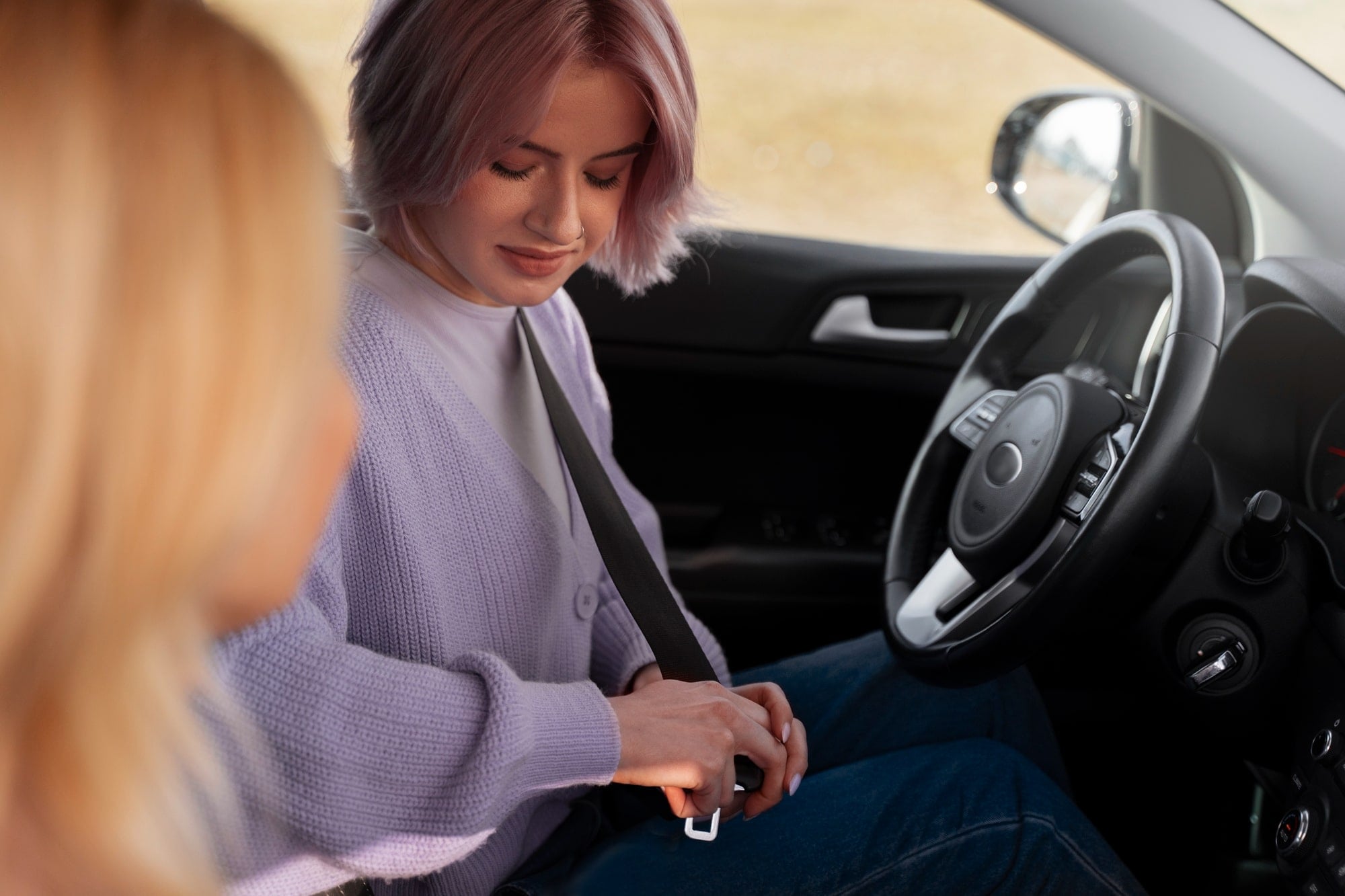
Even if you’re high risk today, you may be able to lower your costs over time—and sometimes immediately—by using smarter levers.
/ Maintain continuous coverage
Coverage lapses can trigger DMV issues and increase premiums.
/ Use a payment plan you can actually sustain
/ Choose a coverage level that fits your needs and meets any legal requirements.
Missed payments can lead to cancellations, reinstatement fees, and higher rates.
/ Consider your vehicle choice
Some vehicles are much more expensive to insure due to repair costs, theft patterns, and claim history.
/ Adjust deductibles carefully
Higher deductibles can reduce monthly costs, but only choose a deductible you could realistically pay after a claim.
/ Look for legitimate discounts
Depending on carrier and eligibility, discounts may include safe driving or telematics programs, multi-car discounts, bundling discounts, good student discounts, and defensive driving course discounts.
/ Re-shop after a clean period
As violations age and you maintain continuous coverage, you may become eligible for better pricing.

If you truly can’t get coverage through the normal market, Texas has an insurer-of-last-resort system through the Texas Automobile Insurance Plan Association (TAIPA). This option is generally intended for drivers who can’t obtain the required liability insurance elsewhere.
TAIPA is typically a last resort. Most drivers prefer to find an option in the standard or non-standard markets first, but it’s helpful to know the fallback exists.

High risk generally means insurers rate you as more likely to file a claim or have compliance issues based on your record, claims history, lapses, location, and other underwriting factors.
Texas minimum liability is commonly called 30/60/25.
An SR-22 is a filing attached to a policy that proves you carry the required liability insurance and allows the state to monitor compliance.
It can be required in accident-related suspensions, repeat no-insurance situations, certain crash judgments, and other financial responsibility compliance cases.
Many cases require it for about two years, but the exact timeframe depends on your official documents.
SR-22A is commonly associated with a prepaid policy requirement in certain reinstatement situations.
Yes. In some cases you may need a Texas non-owner SR-22 policy.
Insurance can be higher in large metros due to traffic density, claim frequency, theft patterns, repair costs, and local claim severity trends.
Yes. Many carriers specialize in higher-risk drivers. The key is finding a policy you can maintain continuously and comparing options that fit your record and budget.
High-risk insurance can feel overwhelming—especially if you’re dealing with reinstatement, SR-22 requirements, or denials from standard carriers. The good news is that high risk doesn’t have to be permanent. The right policy today, kept active without gaps, can put you on the path to better rates over time.
If you need Texas high risk auto insurance or you’re searching for insurance with a bad driving record, start your quote online and explore options that fit your situation and budget.
Request a call from us, and we’ll get back to you as soon as possible!